
Is the PhD System Broken? What’s Actually Wrong, and What Works Instead
Many researchers today are asking the same uneasy question: is the PhD system broken?
This concern is not coming only from critics outside academia. It is increasingly voiced by PhD students themselves, early-career researchers, and even faculty members who sense that something in the system no longer aligns with reality.
The PhD system isn’t failing because research is too difficult. It’s strained because research training still relies on an implicit apprenticeship model that no longer fits today’s academic realities.
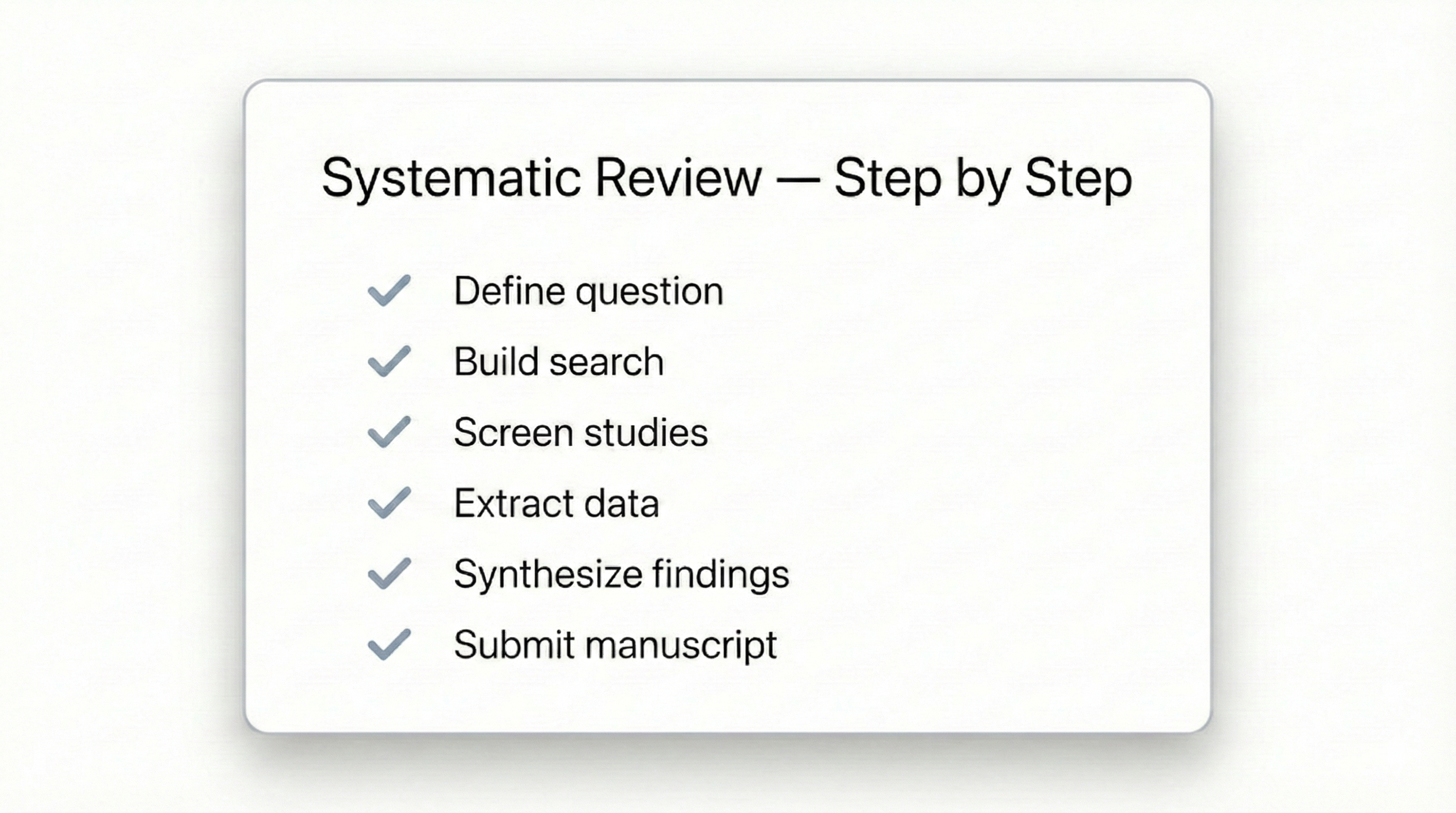
How Researchers Actually Publish Systematic Reviews (Step-by-Step)
Systematic reviews are often described as “straightforward but time-consuming.” In practice, most delays come from unclear decisions, false starts, and uncertainty about what to do next.
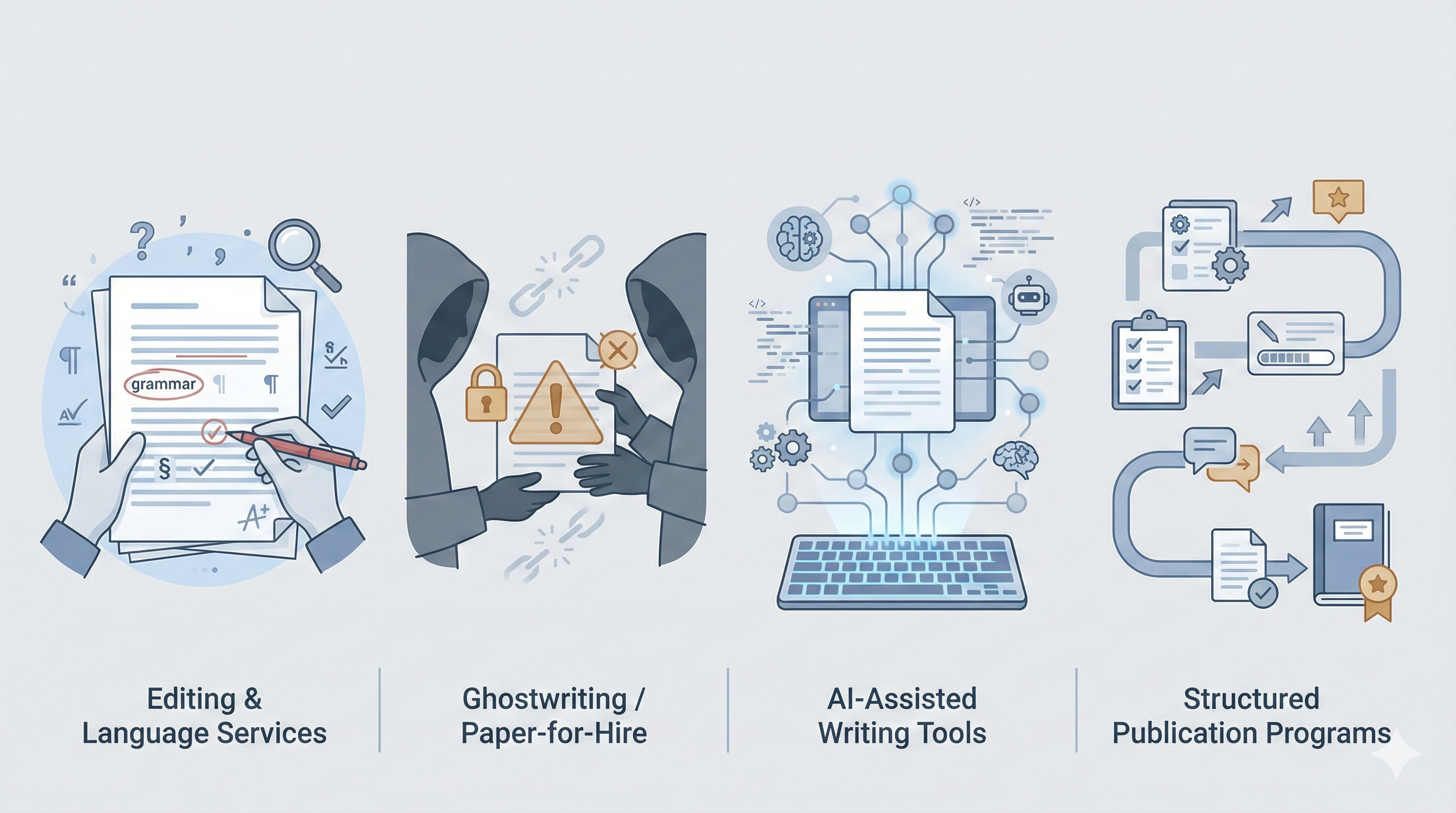
Paid Ways Researchers Accelerate Publication (Ethical Options Compared)
Under pressure to publish, researchers sometimes consider paid support. Not all options are equivalent, and some raise ethical concerns. This guide outlines common paid publication support options and explains how they differ.
Options for Getting Help With a Literature Review (Compared)
Many PhD students and early-career researchers struggle with literature reviews not because they lack ability, but because the process is rarely taught in a structured way. When researchers get stuck, they typically turn to a mix of tools, institutional support, and informal advice, each with different strengths and limitations. This guide compares the main ways researchers get help with literature reviews and explains when each approach makes sense.

How to Choose a Winning Research Topic (Using the PICO-D-T Model)
To choose a winning research topic, define it clearly using six elements: Population, Intervention/Exposure, Comparison, Outcome, Design, and Time (PICO-D-T). A viable topic must sit inside a real academic debate, differ meaningfully from existing studies, be feasible with available data, and be finishable within your program timeline.
Research topics fail when they are too narrow, already answered, methodologically forced, or impossible to complete on time even if they sound precise. The PICO-D-T model prevents these dead ends by forcing clarity before you invest months of work.

Titles & Abstracts: How editors and reviewers read first
Titles and abstracts are diagnostic tools: editors use them to judge clarity, novelty, and feasibility in seconds. If the abstract feels hard to write, the issue is often upstream misalignment, not English.

Advanced Introduction Strategy: How editors and reviewers actually read your paper
Editors don’t just read introductions to understand your topic. They use them to select reviewers and to test whether your paper’s logic will pay off later. Two small but rarely taught tactics in the introduction can significantly improve your chances of fair review.

How to turn the “Limitations” section into a strength
Reviewers don’t reject papers because of limitations. They reject papers when authors fail to own those limitations or show awareness of the field’s data constraints. Strong limitations signal judgment, not weakness.

Why journal papers get rejected: lessons from 159 rejections
Journal rejection is normal, especially if you aim high. After analysing 159 rejection letters from high-impact journals across medicine, social sciences, and natural sciences, five recurring reasons explain most rejections. Crucially, most are fixable.

Why systematic review methods sections break – and the fast way to fix them before peer review
Most systematic review methods sections fail not because the work wasn’t done, but because the logic isn’t reproducible or linear. This guide shows the most common “methods collapse” patterns reviewers flag—and how to fix them quickly.

FastTrack Doctrine: The Five Maxims of AI Use in Research
AI accelerates execution faster than it accelerates judgment. This makes it powerful for structured work and dangerous for unfinished thinking.

The Theory of AI Error in Research Systems
AI accelerates research faster than it accelerates error detection, allowing invisible mistakes to propagate until they become costly.

Why “describing papers” kills literature reviews
Many literature reviews fail because students describe papers instead of using evidence. This guide explains the difference between description and synthesis — and how the DID + FOUND rule turns studies into arguments.
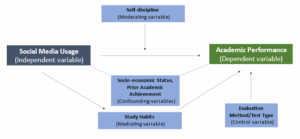
What a “conceptual framework” really is (and what it isn’t)
A conceptual framework is not a diagram you invent at the start of a literature review. This guide explains how structure emerges from evidence, and why frameworks often become clear only after systematic analysis.

What “Saturation” actually means in a literature review
Saturation is not about the number of papers you’ve read — it’s about whether new papers still change your understanding. This guide explains how to recognise saturation and why writing before it leads to wasted effort